Creative Coding Education
Scratch Creative Coding Studio
Scratch Creative Coding Studio is a series of Scratch online classes that I designed and taught on Readboy Students Tablets. The project-based learning orientation covered six learning modules: Warm-up, Art, Music, Storytelling, Simulations, and Games. Three holistic education domains: affective domain, cognitive domain, and skill domain were addressed by introducing projects like environmental protection, art piece recreation, and personal homepage design. The course was published during the COVID-19 lockdown period for young people to learn coding at home. It was well-loved, and as of November 2020, over 47k students have registered for it.
Client /
Readboy Education Technology
Role /
Curriculum Design, Lecturer
Team /
Individual Work
Year /
2020
Three Levels of Scratch Education
Many Scratch classes available online treat Scratch as a programming language for kids and haven't maximized the beauty of Scratch for creative learning. In the term "creative coding", the "coding" part has received enough attention, whereas the "creative" part still needs more attention. As Professor Mitch Resnick, the founder of Scratch mentioned in his book Lifelong Kindergarten, "When you learn to write, it's not enough to learn spelling, grammar, and punctuation. It's important for everyone to learn to tell stories and communicate your ideas". I would like to use a natural language learning process as a comparison to see the three possible levels of Scratch teaching.
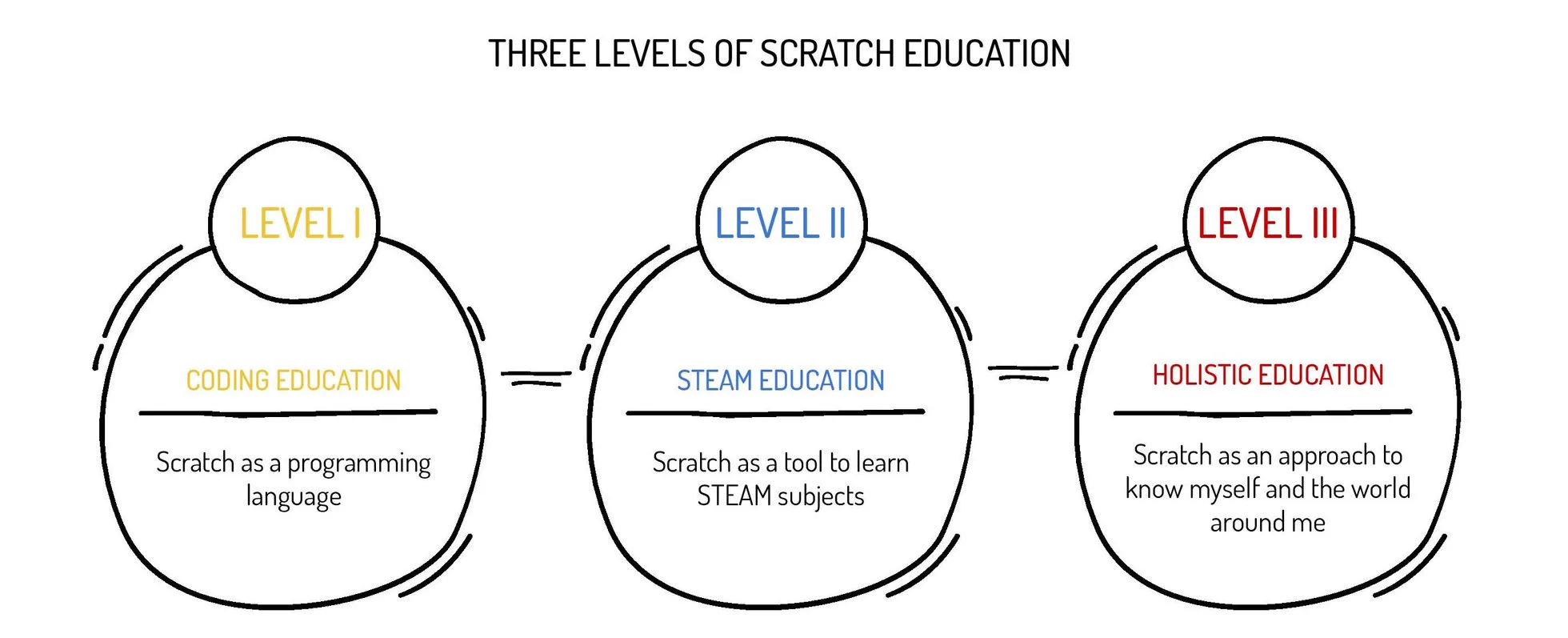
The Level I treats Scratch as a programming language and orients the class by types of coding blocks such as motion, looks, operators, and variables, just like learning a natural language starting from words and grammar. It is true that without knowing a single word, it might be hard to write an essay, but memorizing words and grammar without real context is tedious. Many educational platforms have introduced project-based learning to solve this problem, and most of them use coding games as a topic to run the course. The goal is to get students prepared for learning other programming languages in the future.
The Level II takes Scratch as a tool to learn other subjects, just like using a natural language as a tool to talk, sing, read, and write. This approach aims at teaching subjects like Maths, Physics, Art, and Music with Scratch. When finishing a project, students not only learned knowledge of this subject, but also have a sense of how a computer works during the learning process.
The Level III goes beyond coding and subjects teaching for a liberal education, allowing students to know more about themselves and the world around them. Referring to natural language learning, people learn talking, singing, reading, and writing to communicate, to know the world, and to know ourselves. Most people learn English not for literature study, but to explore outward (the world) and inward (himself/herself). Same as Scratch, more than programming or STEAM education, the course should enable explorations such as relationships between human and nature, communication between people, task management, time management, etc.
Liberal Education Outcomes
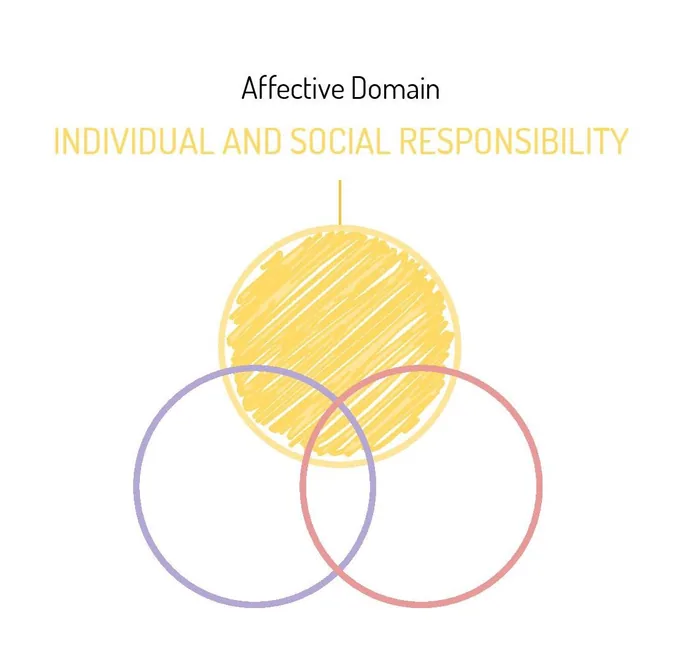
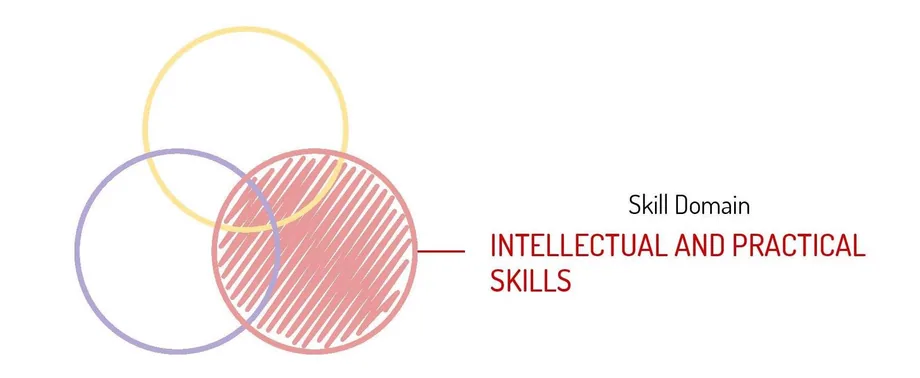
According to a Liberal Education research from the Association of American Colleges & Universities, the outcomes of liberal education can be evaluated from three domains: Affective Domain - individual and social responsibility; Cognitive Domain - knowledge of human cultures and the physical and natural world; and Skill domain - intellectual and practical skills. The integration of the three domains will help students to build abilities of problem solving, creative thinking, and critical thinking.
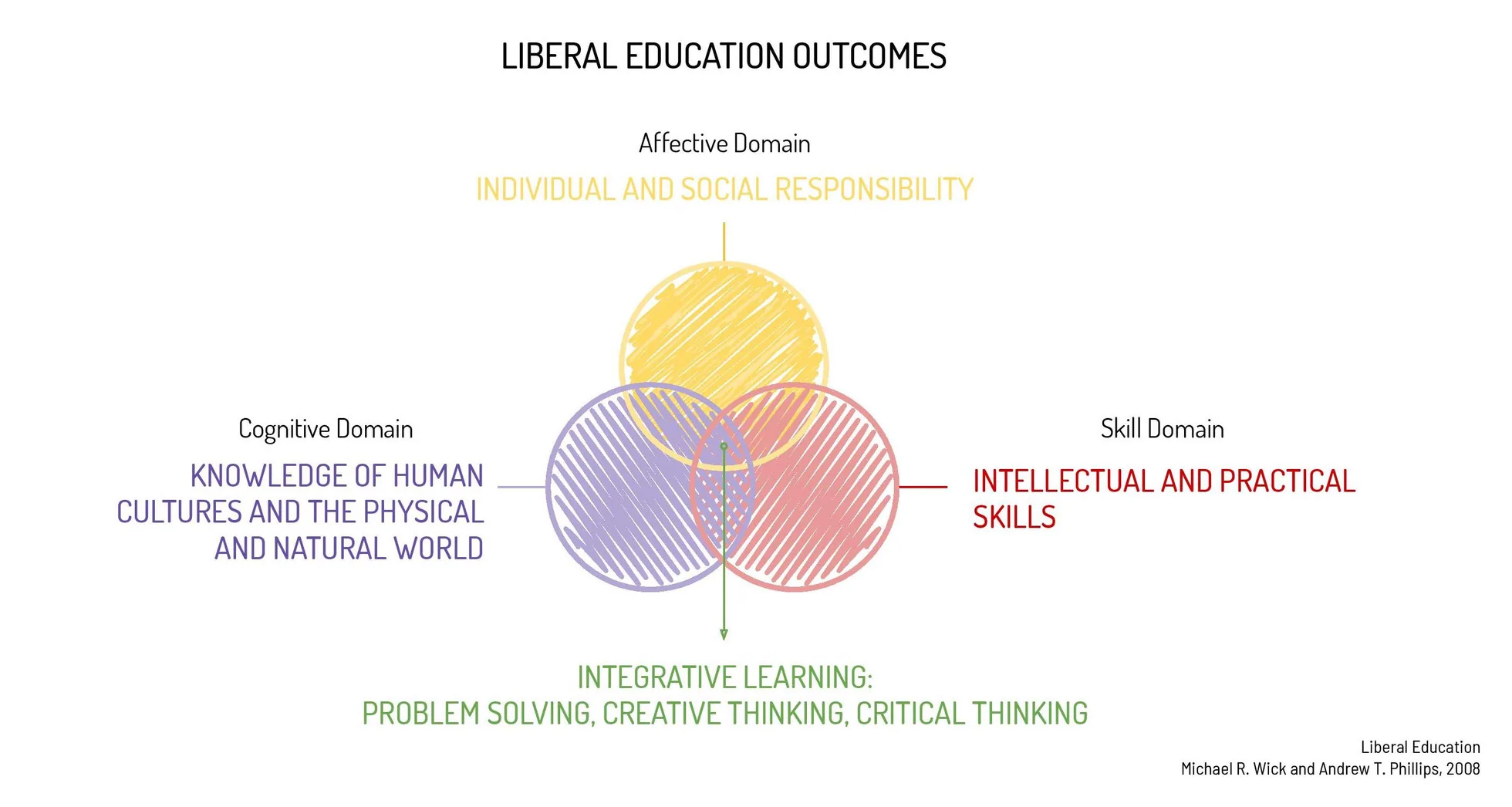
To put this Liberal Education theory into practice, in my course design, more than a coding class, I selected topics that can reflect these three domains to lead the class.
Individual and social responsibility
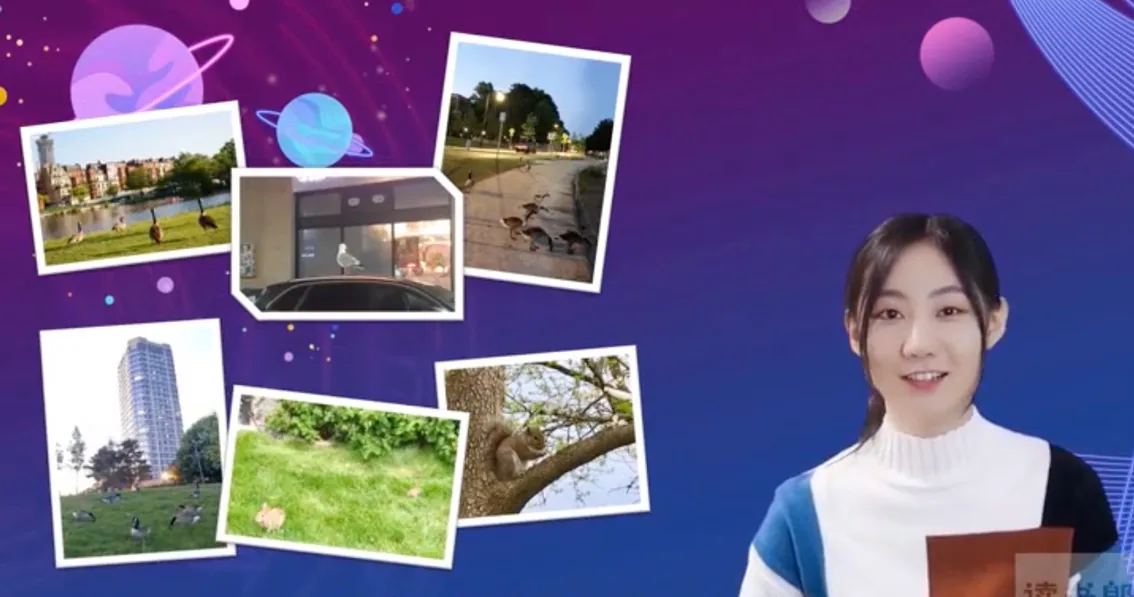
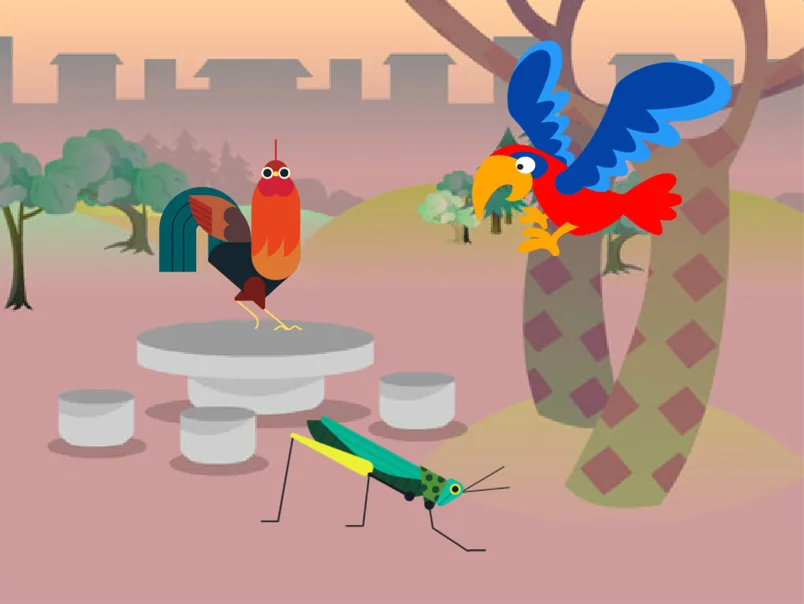
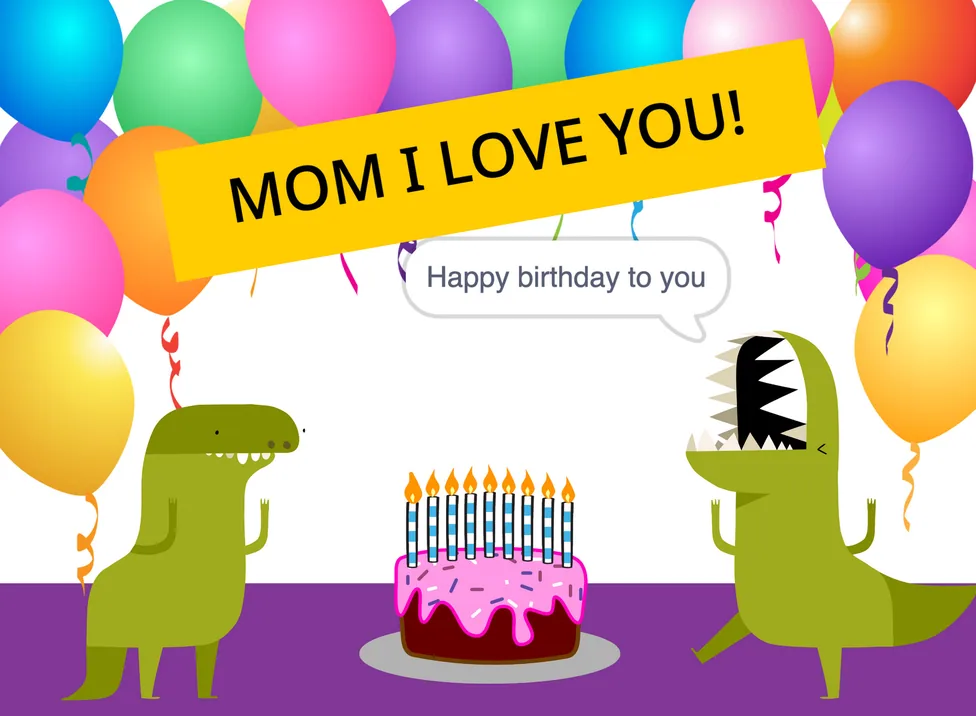
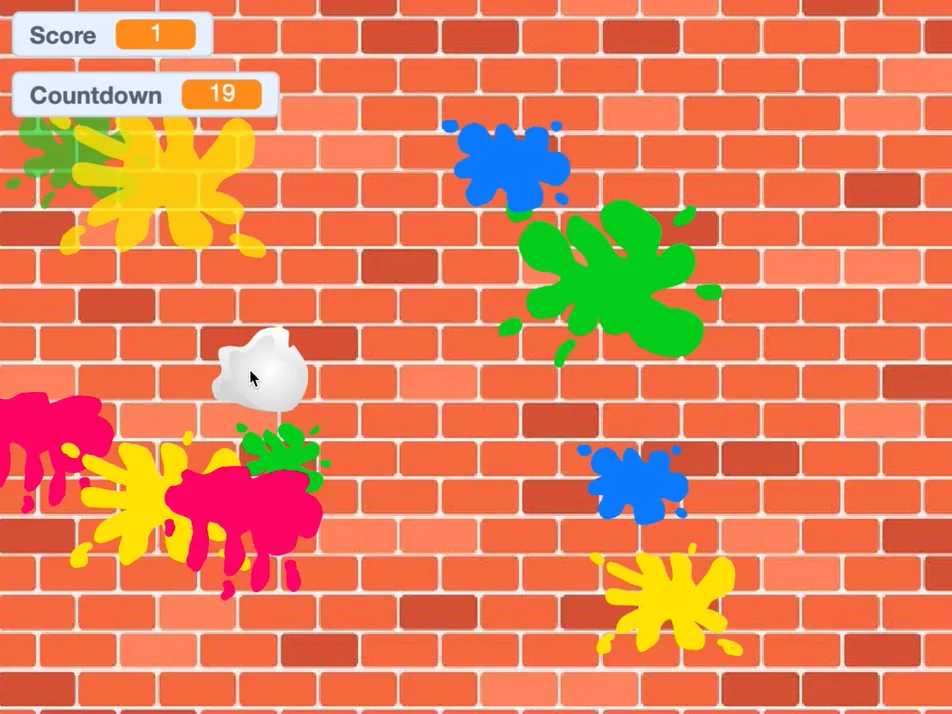
For individual and social responsibility, the relevant topics are environmental protection, gratitude expression, and awareness of taking care of public facilities.
Relevant Topics:
- Environmental protection
- Gratitude expression
- Taking care of public facilities
Knowledge of human cultures and the physical and natural world
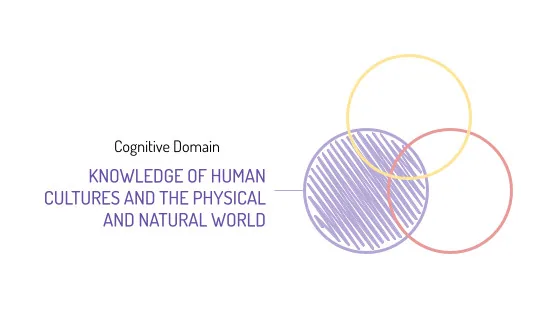
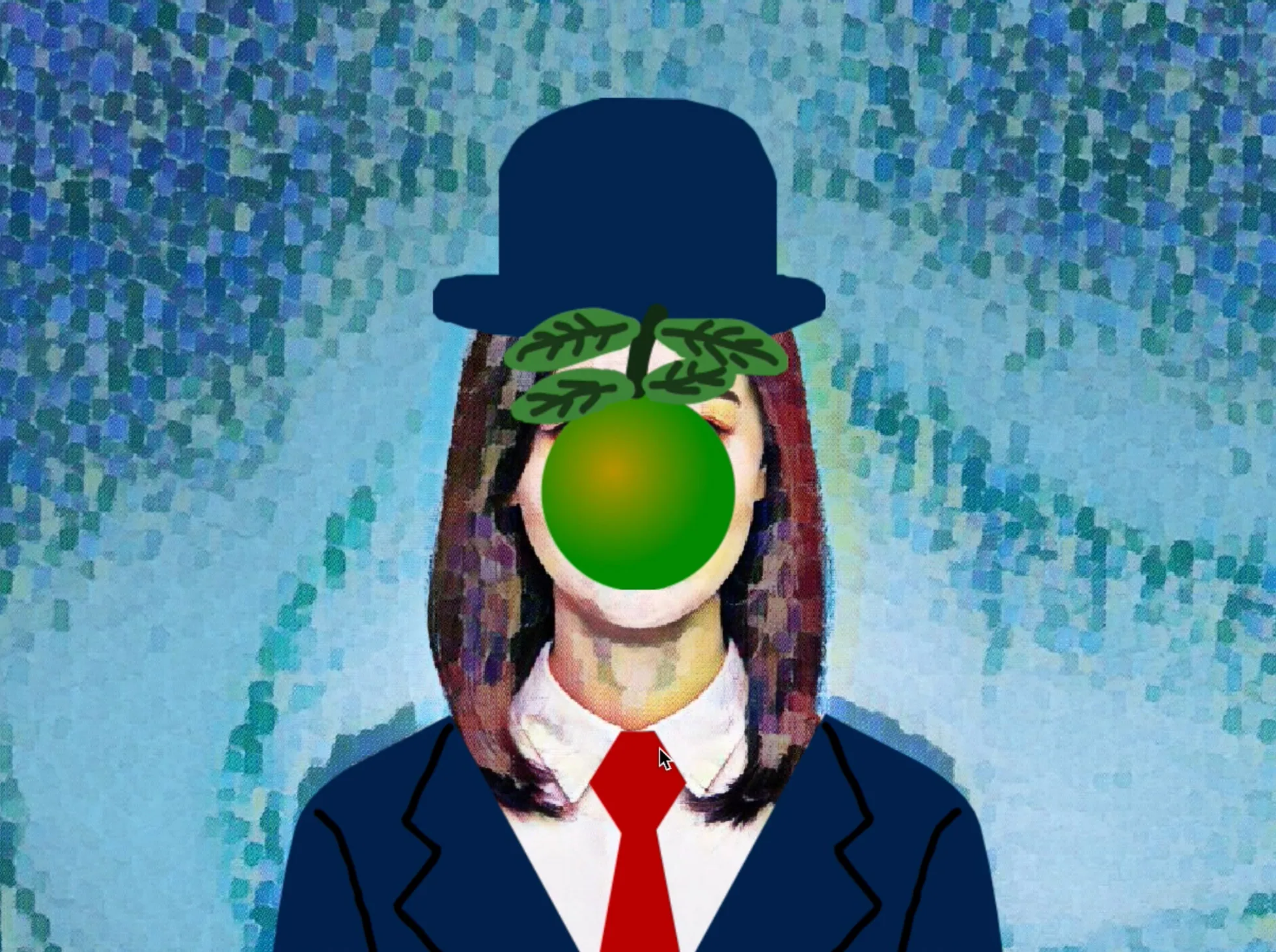
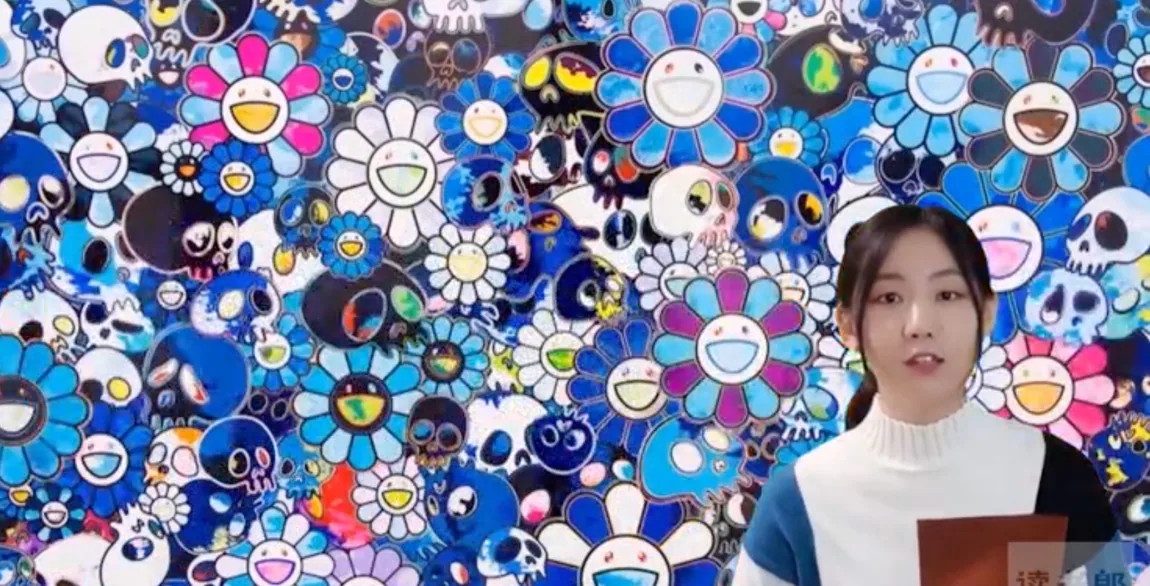
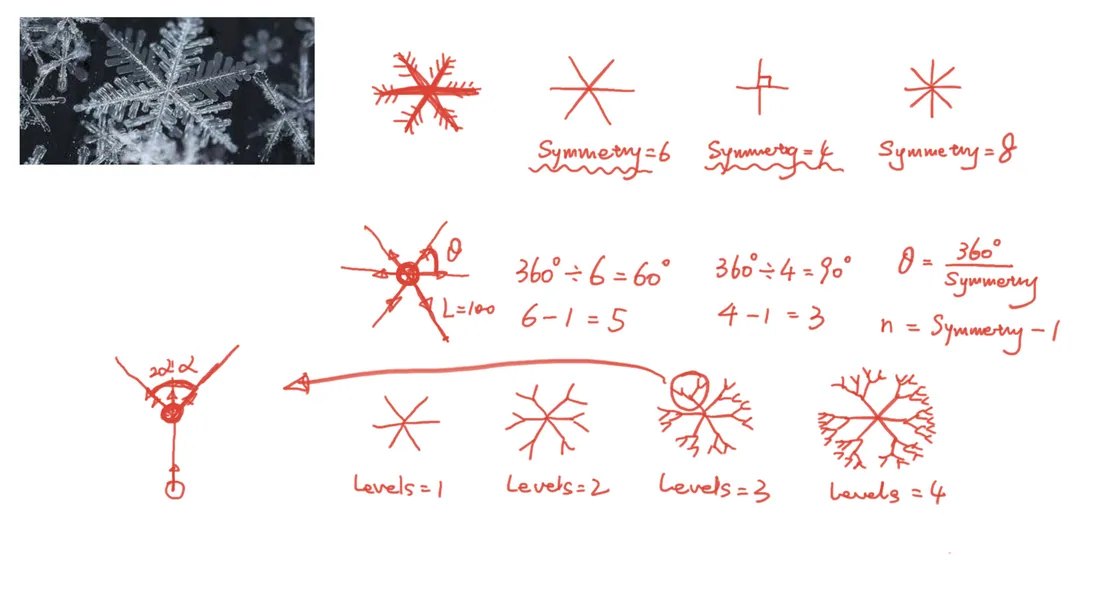
For Knowledge of human cultures and the physical and natural world, relevant topics are art recreation, like recreating the art style of Takashi Murakami, museum exploration, renovating a cultural relic in museums, and nature discovery, exploring the beauty of math from nature.
Relevant Topics:
- Art recreation
- Museum exploration
- Nature discovery
Intellectual and practical skills
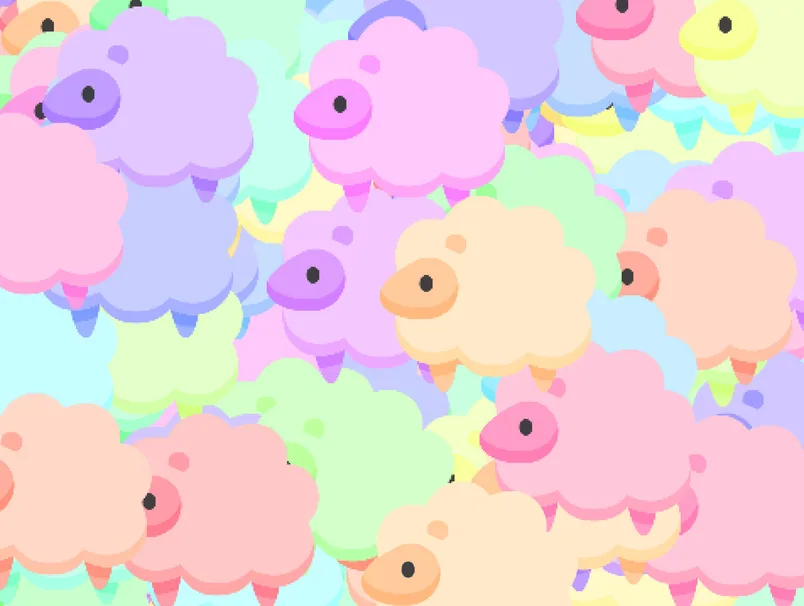
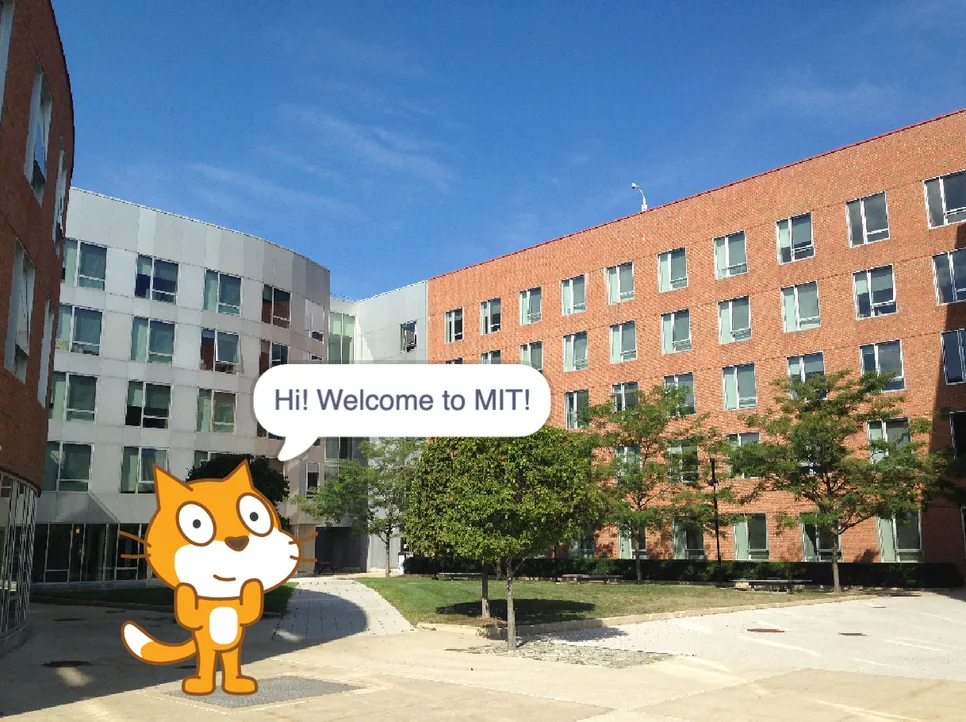
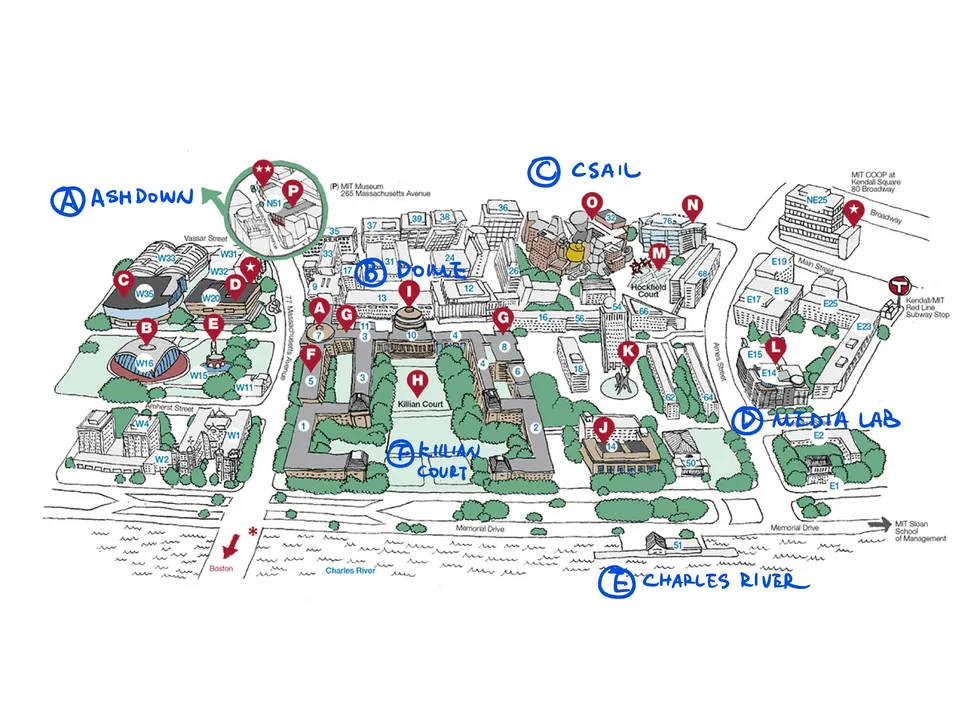
For Intellectual and practical skills, I've talked about how to do a self-introduction with Scratch, and how to introduce a place to people. I used MIT day tour as an example.
Relevant Topics:
- Self-introduction
- Scenic spot introduction
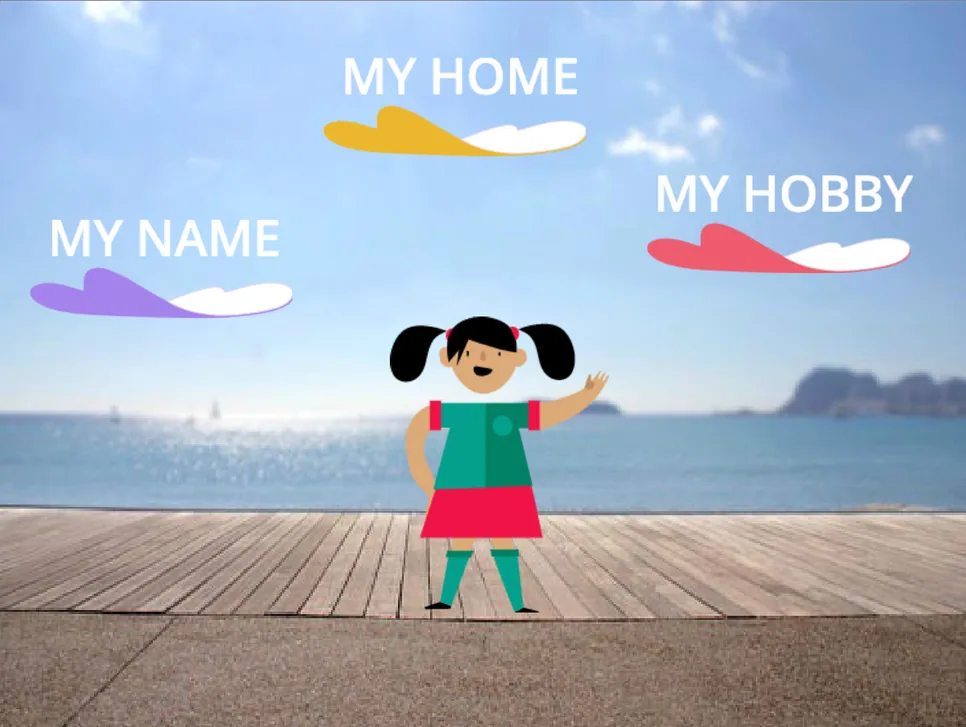
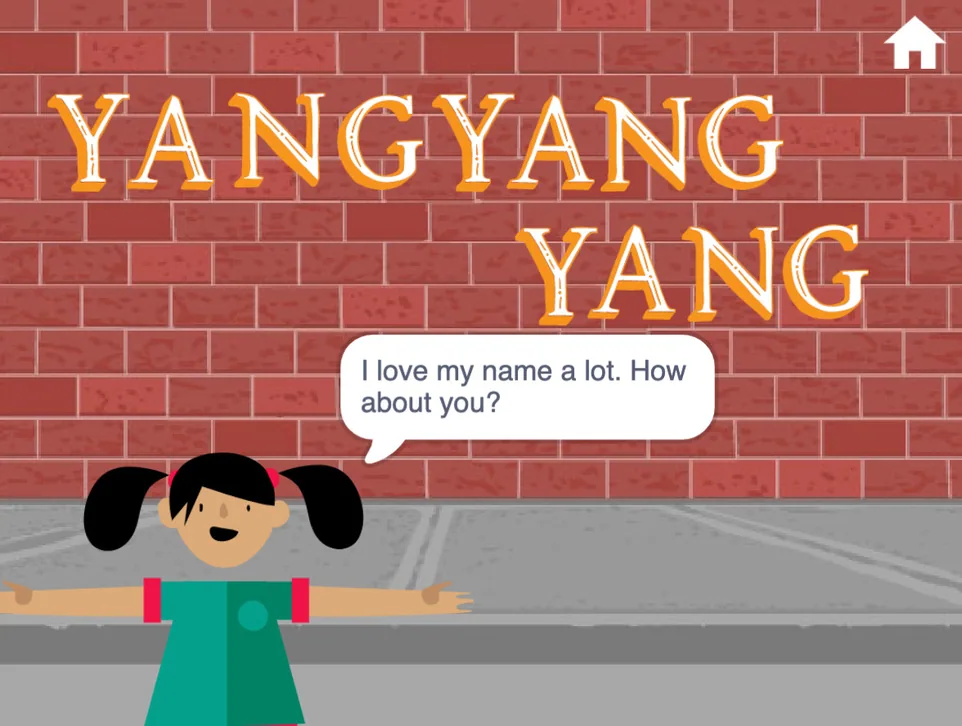
Computational Thinking + Design Thinking
My class also covered computational thinking and design thinking. For computational thinking, I used examples in daily life, such as how to make breakfast step by step, as an example to introduce how computers work.
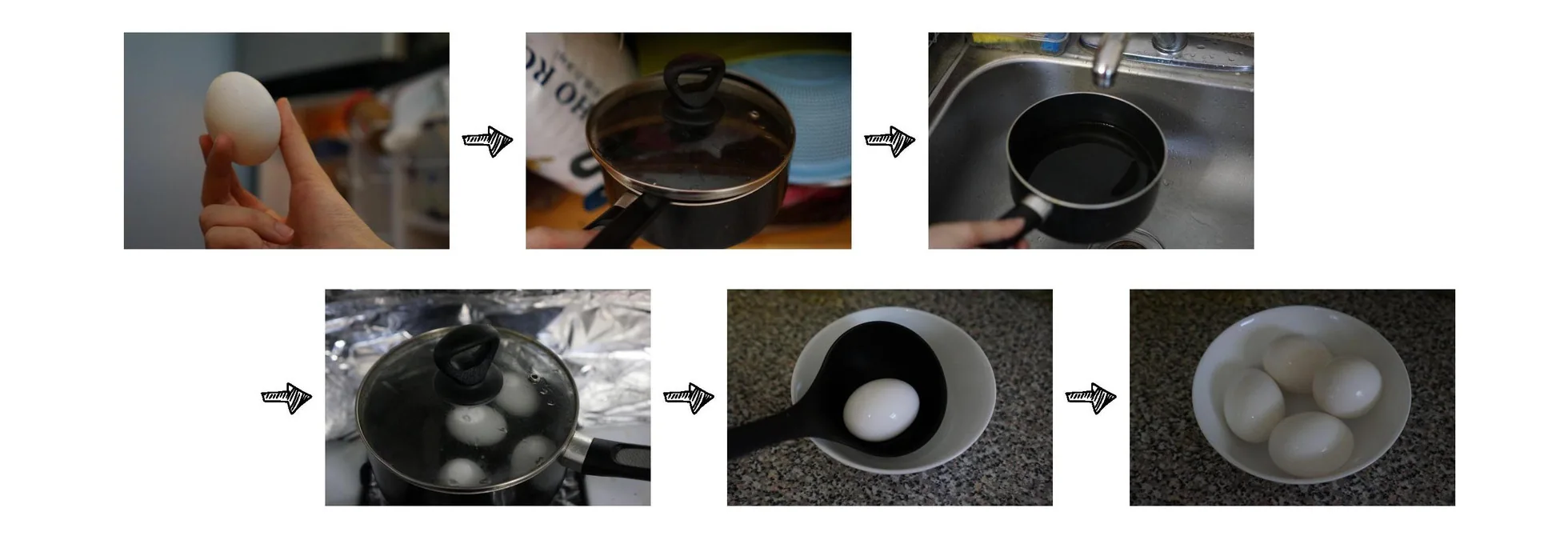
Lesson 1: Thinking Like A Computer — Using examples in daily life to introduce how computers work
For design thinking, before I code the project, I usually guide the students to imagine and design the project. I also visualize the design process to achieve a better understanding.
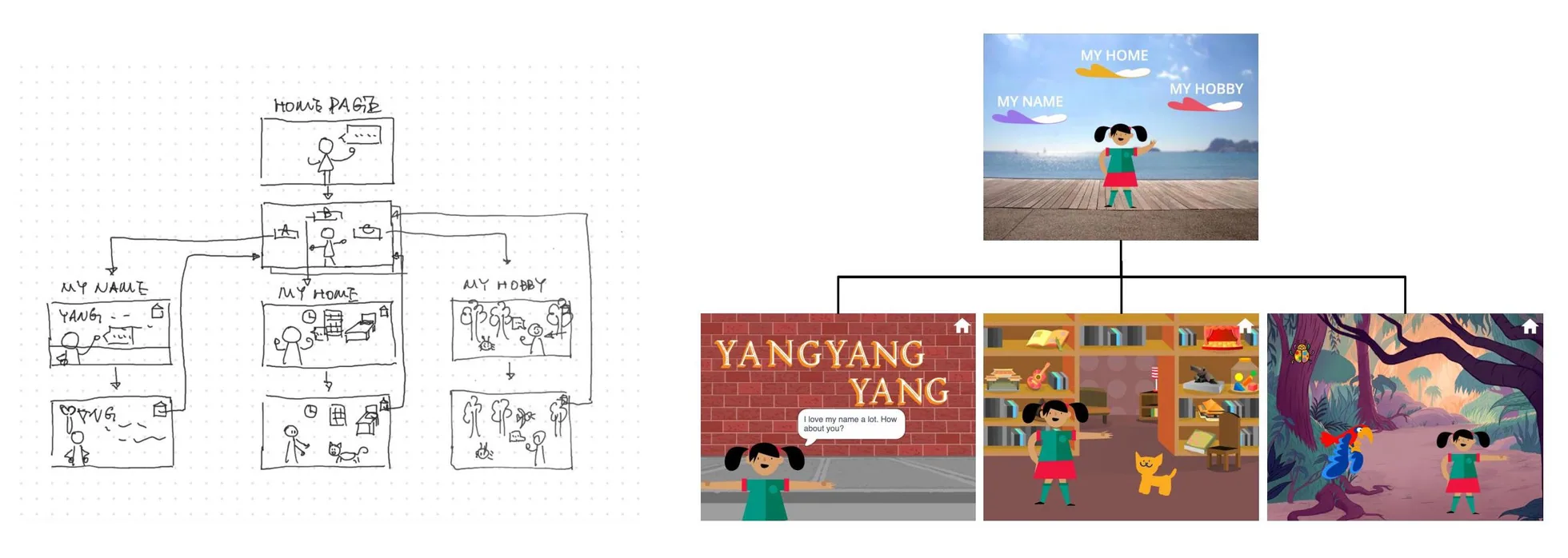
Lesson 14 & 15: My Name is Yangyang Yang
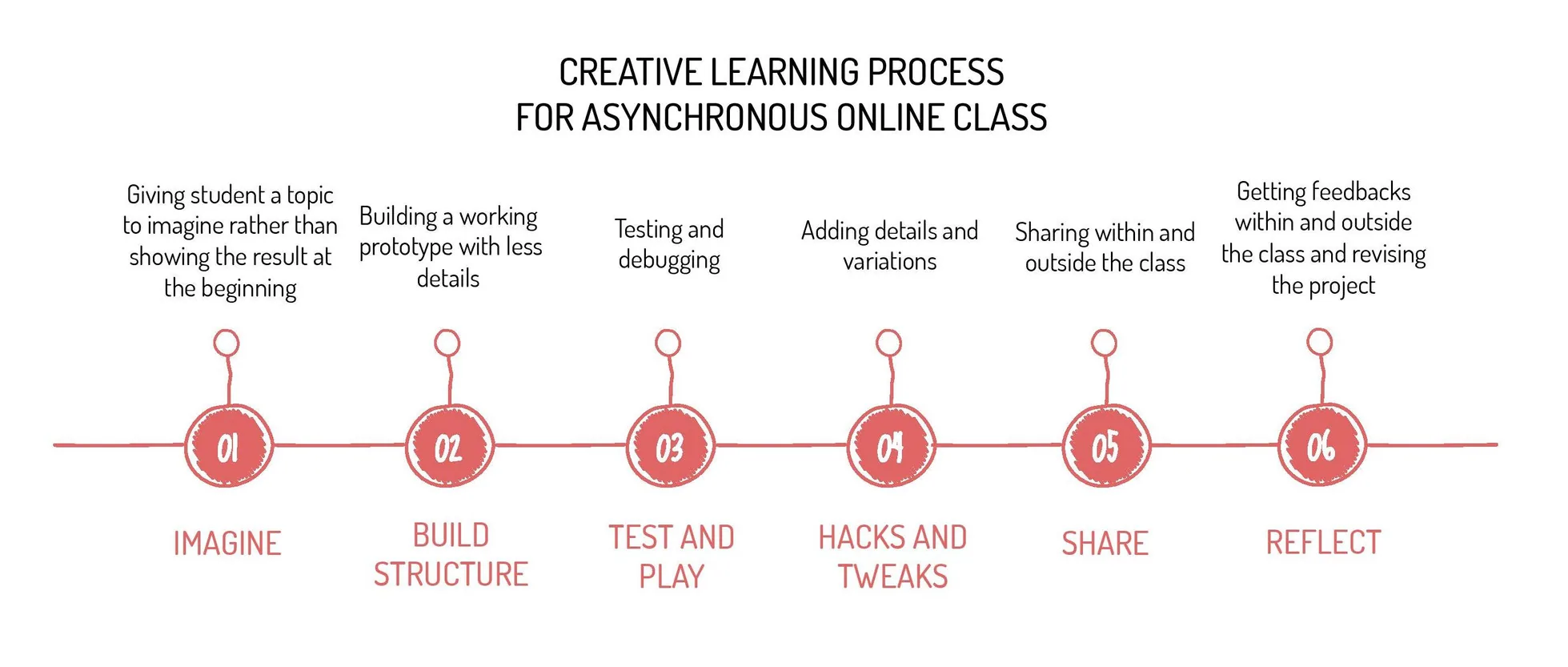
Creative Learning Process for Asynchronous Online Class
I adapted Creative Learning Spiral from the book Lifelong Kindergarten for asynchronous online class design. The process is Imagine, Build structure, Test and play, Hacks and tweaks, Share, and Reflect.